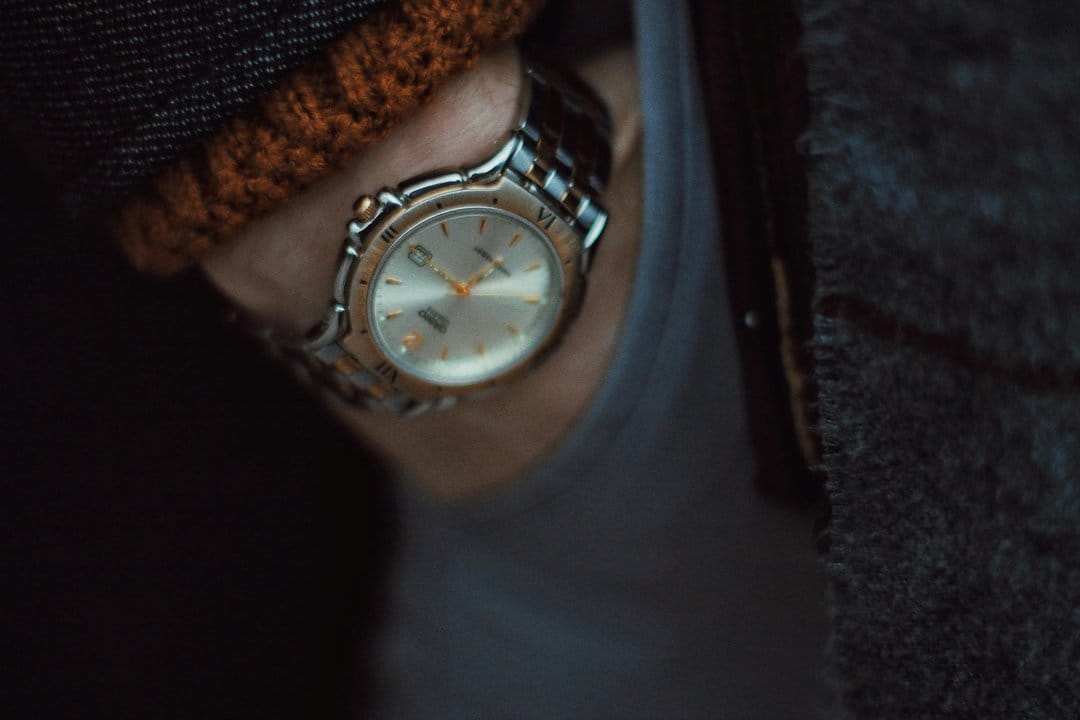
Buying your first proper watch is a genuine pleasure and a slightly nerve-wracking one. It's usually the most you've spent on something so small, the jargon is thick, and the internet is full of strong opinions. But the fundamentals are more approachable than the enthusiast forums make them seem. Get a few core decisions right and you'll end up with a watch you actually enjoy wearing — rather than an expensive mistake bought on impulse.
Mechanical vs quartz: the first fork in the road
The most fundamental choice is what makes the watch tick, and the two options suit very different buyers.
Quartz watches run on a battery and a quartz crystal. They are extremely accurate, low-maintenance, and generally cheaper for a given level of finish. The battery needs replacing every few years, but otherwise you wear it and forget it. For pure reliability and value, quartz is hard to beat, and there's no shame in it — some excellent watches are quartz.
Mechanical watches are powered by a wound spring and an intricate movement of tiny gears — no battery at all. Automatic mechanical watches wind themselves from the motion of your wrist; hand-wound ones you wind yourself. They're less accurate than quartz, need occasional servicing, and cost more — but for many enthusiasts that's the whole point. A mechanical movement is a piece of miniature engineering, often visible through a glass case-back, and it carries a craftsmanship and history that a battery can't replicate. You're buying the romance as much as the timekeeping.
Neither is "better." If you want fuss-free accuracy and value, quartz. If you want the soul of traditional watchmaking and don't mind the upkeep, mechanical.
Set a real budget — and stick to it
Decide what you can comfortably spend before you fall in love with something. There are rewarding watches at almost every price point, and a first watch absolutely does not need to cost a fortune. Be especially wary of stretching your budget on emotion; the watch world is designed to make you want the next one up. A watch you bought sensibly and wear constantly beats one you overpaid for and feel anxious about.
The brands and the question of value
If holding value matters to you, understand that most watches lose money the moment you buy them, just like cars — that's normal, and it's fine if you're buying to wear and enjoy. A small number of established brands and specific models have a track record of holding or even gaining value on the secondary market, driven by reputation, demand and scarcity. But chasing those purely as an investment is a trap for a first-time buyer: the most sought-after pieces are hard to get at retail, and buying them at inflated prices to "invest" is risky.
The healthier mindset for a first watch is to buy something you love from a reputable maker, treat any value retention as a bonus, and ignore the speculation entirely. Plenty of well-regarded brands offer beautifully made watches that hold their value reasonably well precisely because they're respected and well built.
Get the size and style right
Two practical points people overlook:
- Size matters more than spec. A watch that's too big or too small for your wrist will sit awkwardly and you won't wear it. Where possible, try it on. The case diameter that looks great on someone else may swamp or shrink on you.
- Buy for versatility first. For a single first watch, something that works with both jeans and a jacket — a clean dial, a versatile case, a strap or bracelet you can dress up or down — earns its keep far more than a flashy specialist piece.
The traps to avoid
- The grey-market and fakes. Counterfeits are everywhere and increasingly convincing. Buy from authorised dealers or thoroughly reputable sellers, and be deeply suspicious of a "bargain" on a desirable model — if it's far too cheap, it's fake or stolen.
- Skipping the paperwork. Box, papers and proof of purchase matter for warranty and resale. Buying without them, especially second-hand, is a red flag and hurts future value.
- Buying the hype. The watch everyone's talking about isn't necessarily the one you'll love wearing. Trust your own eye on the wrist over the forum consensus.
The bottom line
Choose mechanical or quartz based on what you actually want from the watch, set a budget you're comfortable with and respect it, buy something versatile that fits your wrist from a reputable source, and treat resale value as a pleasant afterthought rather than the goal. Do that and your first proper watch becomes exactly what it should be — not a financial gamble, but a well-made object you genuinely enjoy strapping on every morning.