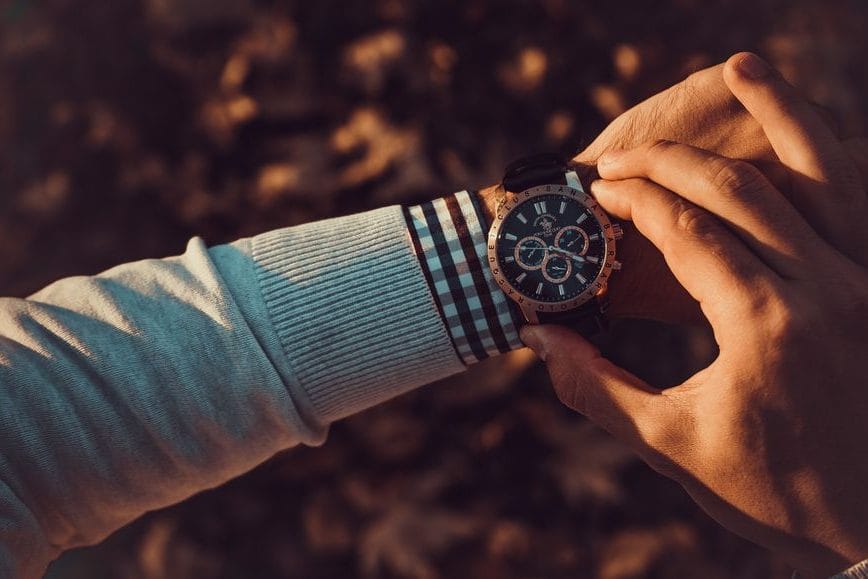
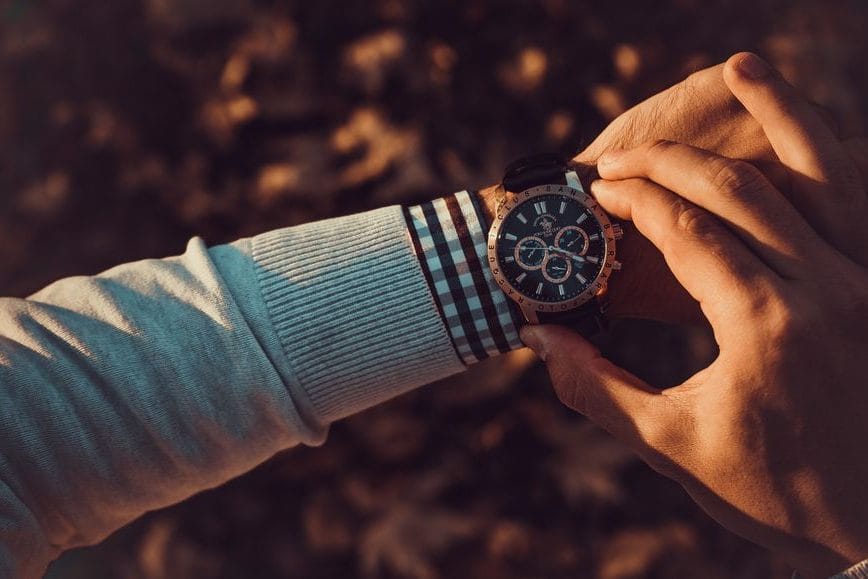
For about fifteen years, the only watch anyone under forty seemed to want was a sports model on a steel bracelet — a diver, a chronograph, something with a screw-down crown rated to depths the wearer will never see. The dress watch, thin and quiet and worn on a strap, got treated like a relic from your grandfather's drawer. That's changing, and it's changing for reasons that have nothing to do with nostalgia and everything to do with what's actually wearable.
A proper dress watch is the one piece in a collection that disappears under a cuff and reappears exactly when you want it noticed. It's the watch that doesn't announce a price, doesn't catch on a sleeve, and doesn't make a forty-year-old in a suit look like he's still dressing for a dive trip. After a decade of 42mm steel everything, that restraint reads as the more confident choice — and the market has noticed.
Why the timing makes sense now
Part of it is simple fatigue. When every boardroom has the same handful of steel sports watches on every wrist, the way to stand out is to go the other direction. A 38mm gold-cased dress piece on a black alligator strap now turns more heads than the diver it used to lose to, precisely because almost nobody is wearing one.
The other part is supply. The hype watches — you know the names — still carry waitlists and grey-market premiums that make no sense for what you get. Dress watches, meanwhile, sit in the case at the boutique and frequently sell at or below retail on the secondary market. The smart money has worked out that you can buy a genuinely beautiful, historically serious watch for less than the markup on a steel sports model you can't even get.
Four that prove the point
- The Cartier Tank — Louis or Must, roughly $3,000 to $4,500 new — which has been the answer to "elegant rectangular watch" for a hundred years and looks like nothing else on a wrist.
- The Jaeger-LeCoultre Reverso, from around $7,500, a watch whose flip case was literally designed for polo players in the 1930s and still feels modern.
- The Grand Seiko SBGW231, near $4,500, with a hand-wound movement and a dial finish that embarrasses watches at three times the price.
- And if budget is no object, the Patek Philippe Calatrava — the watch that more or less defines the category, and the one collectors quietly regret not buying when they had the chance.
That JLC deserves a word on its own. The Reverso is the rare dress watch you can actually beat up a little, because you can flip the case to protect the dial — which is exactly why it survives as a daily wearer when most dress watches live in a box.
What you give up, honestly
A dress watch is not a do-everything watch, and anyone who tells you otherwise is selling something. The water resistance is usually 30 metres, which means splashes and rain, not swimming. The thin case and exhibition caseback want care. You would not wear a Calatrava to change a tyre, and you shouldn't.
So if you own exactly one watch and need it to go from the gym to a wedding, a dress piece is the wrong first buy — get the sports watch first. The dress watch is the second or third purchase, the one you make when you already own something rugged and you've realised the steel diver looks faintly ridiculous under a tuxedo cuff. That's not a knock on it. It's just knowing what a thing is for.
Buying without overpaying
This is the corner of the market where patience genuinely pays. Because dress watches aren't hyped, the pre-owned discount is real — a one-owner Tank or Reverso from a reputable dealer often runs 20 to 30 percent under retail, with the box, papers, and a service history that tells you the movement's been looked after. Pay for the seller's reputation and the paperwork, not the polish on the case.
The watch everyone's chasing this year will be on a waitlist again next year. The Tank that's been quietly perfect since 1917 will still be sitting in the case, at sensible money, waiting for the person who finally figured out what looks good under a sleeve.