Audemars Piguet Code 11.59: Fair Review Six Years In
The Code 11.59 was 2019's most-hated AP launch. Six years in, the watch has earned a fair reassessment. The critics got it partly wrong.
When Audemars Piguet launched the Code 11.59 in January 2019, the watch community responded with something approaching collective revulsion. The reference was called ugly, derivative, overpriced, and a betrayal of AP's design heritage. Hodinkee's initial review was scathing. Watch forums filled with mockery. Collectors who had waited years for Royal Oak allocations treated the Code launch as evidence that AP had lost its way.
Six years later, I want to offer a different reading of what happened. The Code 11.59 isn't AP's best work, and the launch strategy was a marketing failure. But the watch itself — particularly the chronograph and the self-winding flying tourbillon references — represents legitimate high watchmaking at prices that became reasonable in retrospect. If you separated the watch from the launch discourse, spent time with one at a boutique, and evaluated it on its own terms, the Code 11.59 is a better object than collective memory remembers.
What the Launch Got Wrong
AP positioned the Code 11.59 as a new foundational collection meant to sit alongside the Royal Oak in the brand hierarchy. This positioning was incorrect. Royal Oak is AP's defining design achievement, and any new collection launched as "equivalent" invites comparison that the new design cannot win. The more correct positioning would have been "additional watch for collectors who already own Royal Oaks" or "formal wear complement to your sports watch."
The launch photography was also poorly executed. The initial press images emphasized the case geometry in ways that made the watch look awkward in photos — the double-curved sapphire crystal refracts light in specific ways that don't photograph well under the harsh lighting used for product shots. In person, under ambient light, the crystal effect is genuinely interesting. In photos, it looked like a design mistake. This matters because 95% of initial impressions were formed through press photos, not through in-person examination.
Pricing at launch also created resistance. The entry time-only Code 11.59 at $26,800 seemed expensive relative to Royal Oaks at similar prices that the market already valued. What most commentary missed was that the Code 11.59's case construction is substantially more complex than a Royal Oak — the octagonal inner case bezel, the curved lugs, the double-curved sapphire, and the specific case finishing requirements are all more expensive to produce than the flat-surfaced Royal Oak. AP's pricing reflected actual production costs, but that pricing landed in a market that used the Royal Oak as the benchmark.
What the Watch Actually Is
Case: 41mm × 10.7mm, with an octagonal inner bezel ring sitting within a round outer case. The lugs curve through multiple axes — they're not flat, they curve in toward the wrist while also tapering in width. The case finishing alternates polished and brushed surfaces in specific patterns that require hand execution by experienced polishers. Available in 18k pink gold, white gold, yellow gold, and (since 2021) steel for certain references.
Sapphire crystal is double-curved — domed both horizontally and vertically — which creates the specific light refraction effect that defines the watch visually. Manufacturing this crystal requires specific abrasive grinding techniques that AP developed internally. The crystal alone costs meaningfully more to produce than a standard flat sapphire. This is a legitimate technical achievement that doesn't get credited.
- Time-only automatic: calibre 4302, 70-hour reserve, $26,800-$33,500
- Chronograph automatic: calibre 4401, 70-hour reserve, integrated column wheel, $43,500-$51,900
- Flying tourbillon: calibre 2950, 65-hour reserve, $150,000+
- Perpetual calendar: calibre 5134, 40-hour reserve, $170,000+
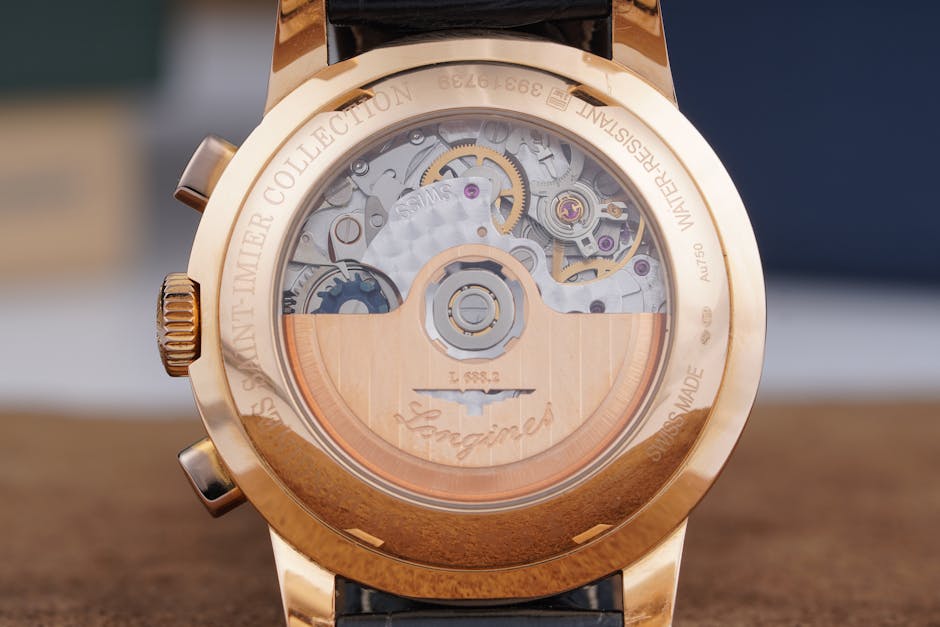
The calibre 4302 time-only movement is a new AP in-house design specific to the Code collection. It's not a reuse of the 3120 from previous AP references. Architecture: 4Hz (28,800 bph), central rotor, 70-hour reserve from two barrels, 257 components, finished with traditional Geneva stripes on bridges, circular graining on main plate, and hand-polished bevels on all components. Visible through the sapphire case back, the movement has genuine high-watchmaking finishing that compares favorably to equivalent movements from Vacheron or Lange.
The Chronograph Reference Is the One to Get
If you're considering a Code 11.59, the integrated chronograph with the calibre 4401 is the reference that justifies the collection. Column wheel chronograph, vertical clutch engagement, 70-hour power reserve, flyback function. The movement is one of the best integrated column-wheel chronographs available at any price — AP's watchmaking team invested substantial development effort in this calibre, and the engineering is visible.
The chronograph pushers on the Code 11.59 have a specific tactile feel that's different from both the Royal Oak chronograph and most Swiss competition. The pushers engage firmly but not harshly, with a specific click depth that signals the column wheel movement. Operating the chronograph repeatedly over years of ownership, this engagement quality is the kind of detail that separates pieces you actually enjoy wearing from pieces that work mechanically but don't reward daily interaction.
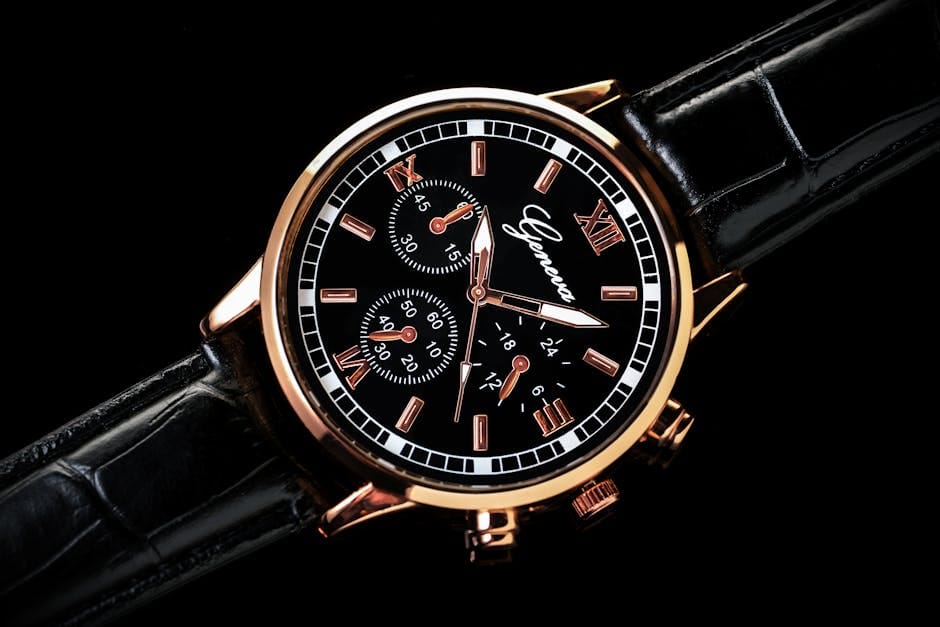
The dial layout on the chronograph is excellent. Three subdials at 3, 6, and 9 o'clock positions (running seconds, 30-minute counter, 12-hour counter), with the chronograph seconds hand sweeping from the center. Date window at 4:30, which is the one design element I'd quibble with — a 6 o'clock date would have been cleaner, though the 4:30 position works aesthetically better than it sounds on paper.
Six Years of Data
Secondary market performance tells you how collectors actually value these watches over time. The time-only Code 11.59 has depreciated roughly 15-25% from retail over six years — substantially better than most Swiss dress watches, which typically shed 30-40% in the same period. The chronograph has depreciated less, approximately 10-18% from retail. The flying tourbillon and perpetual calendar references have held retail value or appreciated slightly, as limited-production haute horlogerie tends to do.
These are not Royal Oak numbers — Royal Oaks have appreciated 80-150% from retail over the same period. But they're also not catastrophic. The market has settled on the Code 11.59 as a legitimate luxury watch collection that just isn't as desirable as the Royal Oak. That's an accurate valuation, and it removes the "will it crater further" anxiety that surrounded the reference in 2019-2020.
AD availability is good. Code 11.59s are available at most major AP dealers with 3-12 month waits — substantially shorter than Royal Oak waits. This accessibility is, paradoxically, the reference's best argument. If you want to own a piece from a top-tier Swiss manufacture, have it actually available through the correct retail channel, and receive haute horlogerie finishing at the price you pay, the Code 11.59 is genuinely a strong option in 2026.
Who It's For
Not the buyer seeking a Royal Oak alternative. The Code 11.59 doesn't substitute for a Royal Oak — it's a different watch for a different purpose, and trying to use it as a Royal Oak replacement will leave you disappointed in both directions.
The correct buyer: someone who already owns a Royal Oak or a comparable sports watch, wants to add a more formal piece from the same manufacture, and values the craftsmanship and technical depth AP can deliver without needing the specific aesthetic of the Royal Oak collection. For this buyer, the Code 11.59 chronograph is probably the best $45,000 chronograph currently available — competing with Patek's 5170, Vacheron's Cornes de Vache, and Lange's Datograph, all of which cost substantially more.
The initial hate was wrong on the merits even if it was correct on the positioning. The Code 11.59 is a good watch that was launched badly. Six years in, with the launch discourse faded and the watches available at reasonable secondary market prices, it's worth a second look — particularly for collectors moving up into haute horlogerie who don't want to fight the Patek waitlist or pay F.P. Journe secondary market premiums. A 11.59 chronograph at $38,000 pre-owned is a real piece with real craftsmanship. The fact that almost nobody talks about it in 2026 is the reason the opportunity exists.