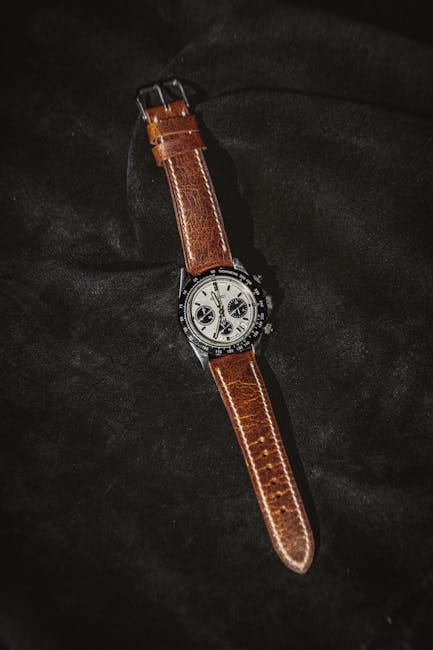
The strap or bracelet on your watch is roughly 5-15% of the total visual weight of the piece. It's also the component that contacts your skin, experiences the most wear, and affects daily comfort more than any other single element. Most luxury watches ship on strap configurations that are adequate but not optimal — specifically because manufacturers choose generic options that satisfy most customers rather than optimizing for specific wrist sizes, wardrobes, or wearing preferences. Swapping the strap is the single most cost-effective improvement you can make to any watch, typically under $100, and the impact on daily ownership experience can be substantial.
I've swapped straps on approximately 35 watches over the past decade — my own collection, friends' pieces, and watches I've bought and sold. Specific observations about what works and what doesn't: the factory strap usually isn't the best option, quality leather under $100 exists and performs well, NATO straps are overrated for most contexts, and the rubber strap ecosystem has matured dramatically over the past five years. Here's the practical guide for understanding what to actually change.
Leather Strap Categories
Standard-grade calfskin leather straps ($25-$60) are adequate for most watches under $3,000 and serve as reasonable replacements for factory leather on higher-end watches. Sources: Hadley-Roma straps on Amazon, WatchGecko standard collection, Crown & Buckle basic line. Quality at this price is functional but not exceptional — expect 12-18 months of daily wear before noticeable aging, reasonable stitching, and standard pin buckles.
Mid-tier leather straps ($60-$150) offer meaningful quality improvement. Genuine full-grain leather, hand-stitched detailing, better edge treatment, and Italian tannery sources. Sources: Camille Fournet (French tannery with strong reputation), ABP Paris (specialist handmade Paris leather), Delugs (Singapore-based, excellent quality-to-price), and DeBeer Straps (American handmade). Quality at this tier is substantially better than factory straps on most $3,000-$8,000 watches and competitive with factory straps on higher-end pieces.
Premium leather straps ($150-$400) represent luxury tier strap making. Hand-cut from premium leather stock, multiple thread stitching, hand-burnished edges, and specific tanning techniques (Horween Chromexcel, Zermatt, specific alligator variants). Sources: Molequin (Paris), Delugs Premium Line, Hodinkee Shop collaboration straps, and Vestel straps (Spanish hand-crafted). For a watch you love and wear daily, premium leather transforms the wearing experience.
- Standard calfskin ($25-60): adequate for watches under $3,000
- Mid-tier leather ($60-150): meaningful quality upgrade for $3,000-$8,000 watches
- Premium leather ($150-400): luxury tier, appropriate for pieces above $8,000
- Alligator/crocodile ($200-500): formal wear premium option
For specific leather choices based on watch type: brown Horween Chromexcel leather works across most dress-casual contexts for most watches. Black calfskin is appropriate for formal dress watches. Vintage-style leather (oiled or waxed) works well with vintage-inspired references like the Tudor Black Bay 58 or Seiko SPB143. Alligator or crocodile is appropriate for high-end dress watches like Patek Calatravas or Lange Saxonias but would be overdressed on most sport watches.
Rubber Strap Options
The rubber strap market has matured significantly since 2018. What was previously a limited category dominated by expensive factory rubber ($400-$800 for Rolex rubber accessories, for example) now includes multiple aftermarket options that rival or exceed factory quality at fraction of price. This is a specific value area for current watch owners.
Erika's Originals ($65-$95) is a specific reference point in aftermarket rubber/fabric strap community. Her "Classic Diver" straps are fabric-covered rubber with specific design derived from 1960s military straps. Excellent fit on most dive watches and appropriate for sport-casual contexts. Not appropriate for formal wear.
Crafter Blue ($45-$95) produces molded rubber straps specifically fitted for various watch references — Tudor Black Bay, Rolex Submariner, Seiko divers. The reference-specific fitting creates cleaner integration with the case than generic strap options. Colors available in blue, black, grey, orange, yellow. Best for daily summer wear or active use.
Uncle Seiko ($25-$70) specializes in Seiko-compatible aftermarket straps including the "Waffle" rubber strap (patterned after 1970s diving watch aesthetic), "Beads of Rice" bracelet, and various period-correct Seiko options. For Seiko owners, Uncle Seiko is the primary aftermarket source with excellent quality-to-price ratios.
Everest Bands ($95-$175) is the premium aftermarket rubber option specifically for Rolex sport watches. Their rubber straps fit Rolex references precisely and are specifically engineered for the specific case geometry. Quality exceeds Rolex's own factory rubber options (which are typically in the $550-$800 range through Rolex service).
NATO Strap Truth
NATO straps have become wildly popular among watch enthusiasts, particularly for vintage-inspired references and dive watches. The aesthetic appeal is real — a black NATO on a Submariner reads classic and specific. The marketing claim — that NATOs are "the most versatile strap option" — is overstated.
Specific concerns with NATO straps in 2026. First: fit issues on many modern watches. NATOs require specific spring bar configurations and lug spacing that doesn't work optimally on all watches. On watches with tight lug clearance (most AP Royal Oaks, some Grand Seikos), NATOs either don't fit or require modified spring bars. Second: wrist profile problems. NATOs add thickness under the watch that can make the overall piece sit higher on the wrist, which reads awkward on thinner cases. Third: wear issues. Quality NATOs (Natostrapco, Erika's Originals, Phenomenato) are excellent; cheap NATOs ($8-$15 Amazon options) are genuinely poor quality.
NATOs work well on: tool watches with robust lugs (Rolex Submariner, Tudor Black Bay, Seiko divers), vintage-inspired references where the NATO aesthetic is period-correct, and specific dive watches where the NATO functions as a backup if the bracelet fails. NATOs don't work well on: dress watches (look casual-tourist), ultra-thin references (add inappropriate thickness), and watches with specific bracelet integration designs (Royal Oak, Nautilus, Vacheron 222).
For NATO purchase, invest $35-$65 in a quality NATO from reputable makers (Erika's Originals, Natostrapco premium line, Phenomenato) rather than cheap alternatives. The quality difference is noticeable in strap longevity, comfort, and overall visual result.
Bracelet Upgrades
Aftermarket bracelet options for watches that ship on straps represent the largest category of meaningful upgrades. Specifically: a watch that ships on leather or rubber but has standard 20mm or 22mm lug width can be transformed with an aftermarket bracelet for $80-$200.
Strapcode produces aftermarket bracelets at $60-$180 that work on most common Swiss and Japanese watch references. Their Super-O bracelet (oyster-style with refined finishing), Hexad (honeycomb-style), and Super Engineer II (jubilee-derived) bracelets all provide legitimate upgrades to watches shipped on basic straps.
Uncle Seiko bracelets at $75-$150 specifically target Seiko watches but work on any watch with 20mm or 22mm lug spacing. Their Beads-of-Rice bracelet is particularly good as a dress-casual upgrade to sport watches. Their Oyster-style bracelet at $95 is a solid replacement for worn factory bracelets on mid-tier Swiss watches.
Crafter Blue bracelets at $120-$180 offer reference-specific fit for Tudor, Rolex, Seiko, and other popular watches. Reference-specific fitting means the bracelet end-link geometry matches the case lug exactly, eliminating the fit gaps common with generic 20mm or 22mm bracelets.
For premium bracelet upgrades on Swiss watches ($200-$400 tier), look at Lombard's Swiss-made bracelets, Archer Watch Straps premium line, or specific specialty bracelet makers advertising on watch forums. Quality at this price rivals or exceeds factory bracelets from mid-tier Swiss manufactures.
Specific Watch Recommendations
For Rolex sport watches on Oyster bracelet: the factory bracelet is excellent — don't replace it. Consider adding a rubber strap from Everest Bands ($125) or Crafter Blue ($75) for summer wear or active use. Leather is generally not appropriate for Rolex sport references.
For Tudor Black Bay 58: the factory bracelet is strong. Consider adding an Erika's Originals NATO or Crafter Blue rubber ($75) as alternate strap option. The Tudor leather factory strap is decent — replace with a mid-tier leather upgrade if desired ($80-$150).
For Omega Speedmaster Professional: the factory bracelet is polarizing — some love it, some find it outdated. Popular replacement: Uncle Seiko Beads of Rice bracelet ($95) for dress-casual versatility, or a quality NATO ($50) for vintage aesthetic. Leather options work well on the Moonwatch — consider a brown Horween Chromexcel from Delugs ($70).
For Seiko SPB143 or SPB185: aftermarket bracelet options (Uncle Seiko Super-O or Hexad at $95-$120) meaningfully upgrade the factory bracelet. Crafter Blue rubber ($75) is the standard summer replacement. The factory bracelet isn't bad, but these watches benefit significantly from upgraded bracelet options.
For dress watches (Cartier Tank, Patek Calatrava, JLC Reverso): premium leather is essential. Consider black calfskin from ABP Paris or Camille Fournet ($120-$200). Alligator if the occasion warrants ($250-$400). NATOs and rubber are not appropriate for dress references.
The final principle: your watch's strap or bracelet is not the manufacturer's final word on how the piece should look and feel. Manufacturers optimize for mass appeal and production efficiency. You optimize for your specific wrist, wardrobe, and wearing contexts. Investing $80-$200 in strap optimization on a watch you wear daily typically delivers more ownership satisfaction than many more expensive watch-collecting decisions. This is the highest-ROI improvement in watch ownership, and most collectors under-invest in it.