Omega Speedmaster Professional: Moonwatch Buying Guide 2026
The reference 310.30.42.50.01.002 is the most honest luxury chronograph under $8k. Here's what you actually get and what to skip.
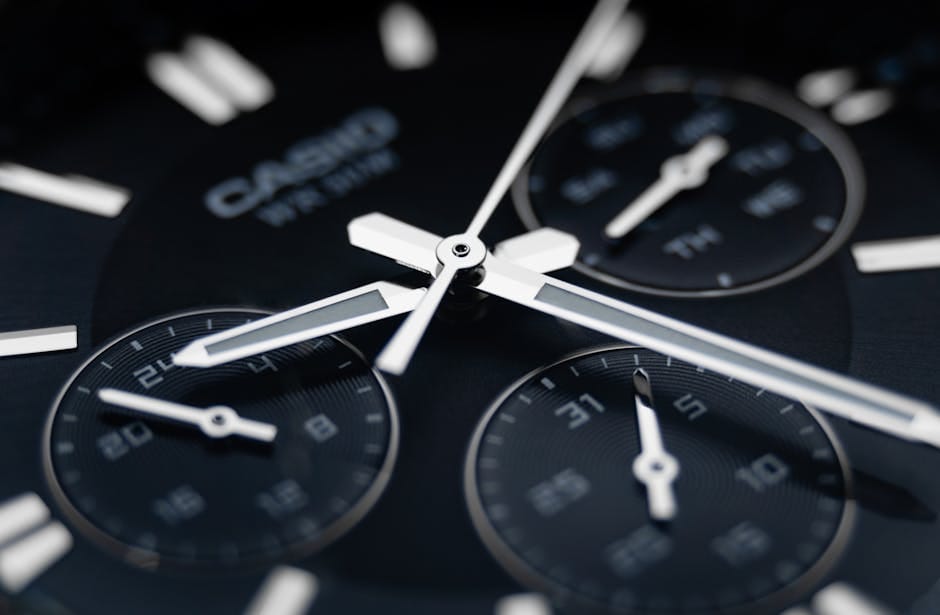
NASA qualified the Speedmaster for spaceflight in 1965. Omega has produced roughly 45 generations of the reference since then — some intentional, most evolutionary — and the current production model, 310.30.42.50.01.002, is arguably the best version of the watch that has ever existed. That's a bold claim because Speedmaster purists have spent 40 years arguing that the 1960s and 1970s examples are the "real" Moonwatches. Here's why I think the current reference wins that argument.
The 310.30.42.50.01.002 launched in 2021 with the new calibre 3861 — a Master Chronometer certified movement with co-axial escapement, 50-hour power reserve, and anti-magnetic performance to 15,000 gauss. Under that specification change sits a watch that measures time more accurately, resists magnetism better, and requires less frequent service than any previous Speedmaster. It also costs $7,400 retail on hesalite crystal or $8,100 on sapphire — less in real terms than the watch cost in the 1970s adjusted for inflation, and dramatically less than Rolex or Omega's other chronograph references.
The Calibre 3861 Matters
The previous Speedmaster movement was the calibre 1861, a hand-wind chronograph derived from the Lemania 1873 architecture used in Apollo-era Speedmasters. The 1861 was historically significant and mechanically honest, but it was a 1968 design running in a 2020 watch. Service intervals were 3-4 years, amagnetic performance was mediocre, and the escapement was the standard Swiss lever setup running at 21,600 bph with no co-axial refinement.
The 3861 replaces all of that. Co-axial escapement (George Daniels' design, now fully matured at Omega after 25 years of development) reduces friction in the escape wheel-to-pallet interaction, which extends service intervals to 7-10 years and improves positional variance. The 15,000 gauss magnetic resistance uses a silicon balance spring and non-magnetic escapement components — a real-world benefit for anyone who owns laptops, tablets, speakers, or works around medical equipment. Master Chronometer certification means the watch is METAS-tested to -0/+5 seconds per day across all six positions, after magnetic field exposure.
- Calibre 3861 hand-wind, co-axial escapement
- 50-hour power reserve (up from 48 hours on 1861)
- 15,000 gauss magnetic resistance
- Master Chronometer: -0/+5 seconds per day tolerance
The changes are invisible on the wrist. The watch looks exactly like a Speedmaster should. Dial layout unchanged, chronograph action identical, case dimensions 42mm × 13.2mm same as previous references. Omega's marketing barely acknowledged how much changed mechanically, which was the right call — Speedmaster buyers don't want a reinvention, they want the watch they've always wanted running a better movement. That's exactly what the 3861 delivers.
Hesalite vs Sapphire
The single most-asked Speedmaster question. Hesalite is the acrylic crystal used on the original Moonwatch — it's scratch-prone but shatters safely in extreme conditions (this is genuinely why NASA specified it, the certification wasn't marketing). Sapphire is the modern crystal standard, scratch-resistant to everything except diamond, but fragile to sharp impact. The hesalite reference (310.30.42.50.01.001) costs $7,400. The sapphire sandwich reference (with sapphire case back too) costs $8,100.
Honest answer: for 90% of buyers, the hesalite version is the right choice. It wears slightly better on the wrist (slightly lower profile, softer visual presence). The warmth of the acrylic dome gives the dial a specific vintage quality that sapphire doesn't replicate. And the "flaw" of scratch susceptibility is actually a feature — hesalite crystals polish out at home with Polywatch in 90 seconds, whereas a deep sapphire scratch requires a $200+ crystal replacement through Omega service. I've worn a Speedmaster Pro on hesalite daily for four years, Polywatched it maybe six times, and it looks factory-new.
The sapphire case back version has one legitimate advantage: you can see the calibre 3861 working. Omega's finishing on the movement is better than it needs to be at this price point — perlage on the plates, Geneva stripes on the bridges, blued screws, and a visible column wheel. If you're specifically interested in watching the movement operate, get the sapphire version. If you're buying for the historical reference and the wearing experience, hesalite is correct.
Pricing and Authorized Dealer Reality
Unlike the Rolex and Patek discussion, Speedmaster Professionals are available. You can walk into most Omega boutiques or major authorized dealers and buy one today. That's worth emphasizing because the luxury watch discourse has conditioned collectors to expect waitlists and allocations for every desirable piece. The Speedmaster is not that market. Omega produces them at volume sufficient to meet demand, which means retail pricing actually holds.
Pre-owned market is similarly rational. A clean 310.30.42.50.01 from 2022 or 2023 runs $5,500-$6,500 with box and papers — roughly 20% below retail. A 2019-2020 example with the older 1861 movement runs $4,200-$5,000. You're trading $1,500 to get the older movement vs the new one, and for most buyers that's not a good trade. The 3861's real-world advantages accumulate over 10+ years of ownership through better service economics.
Watch out for: "Reduced" models (38mm case with an automatic movement, fundamentally a different watch and worth substantially less than the Pro), "First Omega in Space" editions (they're fine, but they're not the real thing), and the various special-edition Apollo commemoratives that Omega releases at intervals. The special editions typically carry 20-40% premiums over the base Moonwatch and, in most cases, depreciate faster because the buyer base for them is smaller than for the standard reference.
Living With a Moonwatch
The Speedmaster has real weaknesses as a daily wear. It's hand-wind, which means you're committed to a morning wind routine. The 50-hour reserve means if you don't wear it for two days it stops — acceptable for most, annoying for some. The 42mm case with a 48mm lug-to-lug wears larger than modern 42mm watches because the lugs are long and relatively unchamfered. On wrists under 6.5 inches the watch can look oversized.
What it does correctly: the dial legibility is perfect, the chronograph action is crisp and satisfying, the water resistance at 50m is sufficient for daily wear including incidental water exposure, and the case finishing is refined enough to work with business dress while being tough enough to survive active wear. It's the closest thing in the luxury space to a genuine daily-wearable watch that doesn't require compromise — not too fragile, not too flashy, not too large, not too small.
Service costs at Omega are $700-$900 for a standard Speedmaster service including movement overhaul, gaskets, and regulation. Independent watchmakers certified on calibre 3861 charge $450-$600. The 7-10 year service interval means cost-of-ownership over two decades is manageable — roughly $1,500 in service expenses over 15 years, which amortizes to $100/year. That's substantially better than equivalent Rolex or Omega service economics at the dealer level.
One last thought. There's a specific kind of watch buyer who comes to the Speedmaster after owning a Rolex Submariner, sells the Submariner, and doesn't miss it. I've watched this happen in five separate collections. The Speedmaster doesn't do everything the Submariner does — it can't be worn diving, the handwind gets tiresome for rotation-collectors, and the dial isn't as immediately striking. But it has a depth of history, design refinement, and mechanical honesty that the Submariner, through no fault of its own, has started to lose to its own cultural ubiquity. The Speedmaster stayed a watch. That counts.