Chrono24 Buying Guide: How to Avoid Getting Burned on Secondary Market
Chrono24 processes $2B annually in used watch sales. Here's how to navigate the platform without absorbing a five-figure lesson.
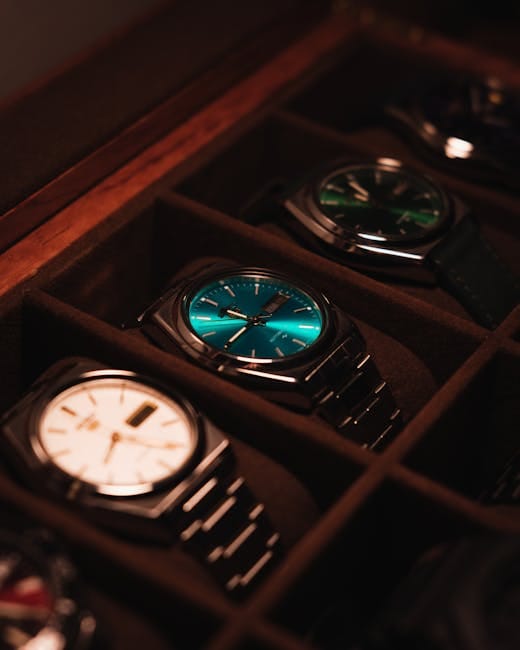
Chrono24 facilitated roughly $2 billion in watch transactions in 2024. That number represents the entirety of the non-auction secondary market for luxury watches online — no other platform comes close to that volume. If you're buying pre-owned in 2026 and you're not using a specialist dealer you already trust, Chrono24 is almost certainly where you'll end up. The platform works well for most transactions. It also has failure modes that will cost you five or six figures if you don't know them.
I've completed 14 transactions on Chrono24 as a buyer and 3 as a seller. One purchase was a problem — not counterfeit, but a Rolex that arrived with a service history the seller had misrepresented, which affected value by about 20%. The dispute resolution process worked, I got a partial refund, but it took 11 weeks and involved evidence submission, dealer escalation, and eventual Chrono24 arbitration. What I learned: the platform's protections are real but slow, and the best strategy is avoiding transactions that require those protections in the first place.
Seller Verification Tiers
Chrono24 has multiple seller classifications: Trusted Checkout dealers, Verified Dealers, and unverified private sellers. The distinction matters enormously. Trusted Checkout dealers are Chrono24-vetted professional sellers who have submitted business documentation, passed due diligence, and agreed to specific dispute resolution terms. Verified Dealers are one tier below — business documentation reviewed but not the full vetting process. Unverified private sellers have no seller vetting at all.
My rule: I only transact with Trusted Checkout dealers for purchases over $5,000. The premium these dealers charge (typically 3-8% over comparable unverified listings) is cheap insurance against the scenarios where you might need platform protection. For purchases under $3,000, Verified Dealers are usually acceptable if you review their transaction history and customer ratings carefully. For any purchase from an unverified private seller, I walk away unless the transaction is a local pickup with cash.
- Trusted Checkout: platform-vetted dealers, strongest buyer protection
- Verified Dealers: business-verified, moderate protection
- Unverified Sellers: caveat emptor, avoid for meaningful purchases
- Transaction insurance: available for additional 0.5-1% fee, worth it on $10k+ purchases
Seller ratings on Chrono24 are generally reliable because they require actual transaction completion to leave a review. A dealer with 500+ transactions and 98%+ positive ratings is almost certainly legitimate. A dealer with 50 transactions and 95% ratings is probably fine. A dealer with under 20 transactions and any negative reviews is a risk that isn't worth taking at this level of purchase. Don't be the buyer who enables a marginal seller to build reputation.
Listing Red Flags
Specific warning signs I've learned to recognize. Photos that look stock or generic: legitimate dealers photograph each watch specifically, showing unique identifying details like serial numbers (partially redacted), specific wear marks, and any imperfections. If photos look like they could be from a manufacturer catalog, ask for additional photos with a handwritten note including the date — reputable sellers provide these instantly.
Prices substantially below market: a Submariner listed at $9,500 when the market is $14,000 is not a deal. It's a scam preparing to harvest your wire transfer, or it's a watch with undisclosed problems that will cost more than the discount to remedy. Target your search for listings at 5-15% below market (that's where legitimate deals exist) and avoid anything more aggressively discounted unless you can verify the specific reason for the price.
Vague or evasive descriptions: "running strong" without specifying when last serviced, "great condition" without specifying any flaws, "authentic" without specifying how you verify that. Legitimate sellers disclose everything. Service history should be explicit — when, where, who did it, cost. Any missing parts (links, box, warranty card) should be explicitly noted. If descriptions are vague, that's intentional, and you shouldn't proceed.
Urgent deadlines: "must sell by Friday," "price increases Monday," "next buyer waiting." These are manipulation tactics. Legitimate sellers don't pressure buyers to close fast — they understand that proper verification takes time. Any seller using urgency is either desperate for reasons you don't want to absorb or actively trying to short-circuit your due diligence.
Chrono24 Escrow and Trusted Checkout
The platform's Trusted Checkout system works as genuine escrow. You pay Chrono24, they hold funds, they notify the seller to ship, you receive the watch, you have 14 days to inspect and either accept or return. If you accept (or 14 days pass without return request), funds release to seller. If you return, funds return to you (minus return shipping in some cases). This system works reliably when used correctly.
Critical inspection within 14 days: photograph the watch from multiple angles immediately upon unboxing. Check serial numbers against the listing. Verify all parts are present (box, papers, warranty card, links). Run the watch against a known-accurate time source for 24-48 hours to verify it's keeping time within spec. Check for any damage not disclosed in the listing. If anything seems off, initiate a return request immediately — don't wait until day 13 when the window is about to close.
For transactions above the Trusted Checkout coverage ceiling (varies but typically $15,000-$25,000 per transaction), you may need supplemental transaction insurance or a private escrow service. Use firms like Escrow.com for these larger transactions — their fees are 1-2% and provide equivalent protection. Do not wire-transfer funds directly to sellers for transactions above $10,000 under any circumstances. Wire fraud is the most common large-dollar scam in this market, and once funds are wired, recovery is essentially impossible.
Authentication Before Payment
For any Chrono24 purchase above $5,000, I recommend pre-shipment authentication services. The seller ships the watch to an authentication service (not to you), they verify the piece, confirm to Chrono24 and to you that it's legitimate, and only then does the watch ship to you. This process costs $100-$300 depending on the service and the watch, and it eliminates the single largest risk in secondary market purchasing: receiving a fake or heavily modified watch.
Authentication service options: WatchBox (for higher-end pieces, thorough service), Crown & Caliber (reliable for mainstream Swiss brands), and specialized authenticators like Eric Ku for vintage Rolex or Adam Craniotes for certain Patek references. The service model for independent authentication on the buyer's side of a Chrono24 transaction is still developing — it's easier if the seller agrees to ship to a third party authenticator first. If a seller refuses this arrangement, that's a significant red flag.
Chrono24 itself offers authentication verification for Trusted Checkout dealers as part of the platform infrastructure, and for most transactions this is sufficient. The supplemental authentication path is for higher-value pieces or for any transaction where you want the extra layer of verification. It's worth the cost on anything above $10,000 in my view.
Post-Purchase Protection
After you've accepted the watch, the Chrono24 protection window closes. From that point forward, you own the piece and any subsequent problems (movement issues, service needs, undiscovered problems) are your responsibility. This is why the 14-day inspection window matters so much — it's your only formal recourse against undisclosed problems.
Smart ownership after acquisition: have the watch inspected by an independent watchmaker within the first 30 days. This is separate from any authentication process during purchase. An independent inspection costs $100-$200 and verifies that the movement is functioning correctly, timing is within spec, water resistance is adequate (on dive watches), and no hidden damage is present. This gives you a baseline for the watch's condition and creates documentation if future issues arise.
Keep all purchase documentation: the original Chrono24 transaction records, payment documentation, shipping tracking, and any communications with the seller. These materials become important if you later resell the watch and need to document provenance, or if warranty issues emerge and you need to establish ownership history. Treat luxury watch purchases like significant financial transactions — because they are.
The final point. Chrono24 is a tool, not a friend. It exists to facilitate transactions between strangers with minimal platform intervention. The protections it offers are real but limited. Your own due diligence — seller vetting, listing scrutiny, inspection period usage, documentation habits — is what actually keeps you safe. Spend the time. Ask the questions. Walk away from transactions that don't feel exactly right. The watches aren't going anywhere, and missing a deal is always cheaper than absorbing a fraud.