Sotheby's Important Watches: Breaking Down 2026 Spring Results
Sotheby's Important Watches New York generated $42M with specific signals about where haute horlogerie collectors are directing capital. Here's the analysis.
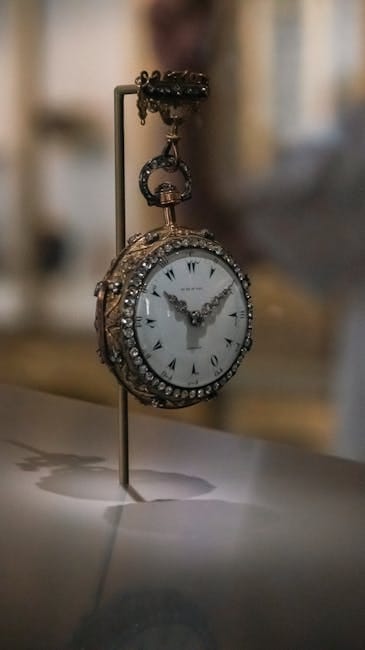
Sotheby's Important Watches New York, held April 3-4, 2026, generated $42.1M across 124 lots with an 88% sell-through rate. The sale's composition and results provide specific signals about how American collectors are deploying capital in 2026 — different from the European collector base that dominates Phillips Geneva, and different from the Asian collector base that dominates Sotheby's Hong Kong. For any American buyer evaluating major watch acquisitions over the next 12 months, the New York results are the most relevant data point for calibrating market expectations.
Two specific themes emerged from the sale. First: vintage Patek Philippe continues to outperform vintage Rolex in the $100K-$500K range. The Patek-vs-Rolex vintage value comparison is shifting in Patek's favor, specifically for references produced 1960-1985. Second: lesser-known historical Swiss brands (Universal Geneve, Longines, Zenith vintage chronographs) are experiencing sustained collector interest that's driving measurable price appreciation. These two themes together suggest collector sophistication is deepening, with buyers moving beyond the headline references toward pieces with specific historical significance.
Vintage Patek Philippe Strength
The sale's top Patek result was a 1972 perpetual calendar chronograph reference 2499 in pink gold, realizing $2.85M including buyer's premium. This specific piece had sold at Phillips Geneva in 2018 for $1.2M — representing 140% appreciation over 8 years. The 2499 market has been one of the strongest vintage Patek segments, with clean examples consistently appreciating at 12-18% annually over the past decade.
Supporting Patek results: a 1959 reference 2526 (Patek's first automatic-wind perpetual calendar) sold for $680K. A 1968 reference 3448 (perpetual calendar with self-winding movement) realized $420K. A 1975 reference 3700 (Nautilus predecessor with Nautilus-inspired design) achieved $385K. All three results exceeded the high estimates by 15-25%, demonstrating that vintage Patek demand remains exceptionally strong at the top of the market.
- Patek 2499 perpetual calendar chronograph: $2.85M (new personal best for this reference)
- Patek 2526 first automatic perpetual calendar: $680K
- Patek 3448 perpetual calendar: $420K
- Patek 3700 Nautilus predecessor: $385K
What collectors are valuing in vintage Patek: extreme specific rarity (fewer than 50 examples produced of reference 2499 in pink gold configuration), documented provenance (original papers, service history, period documentation), and haute horlogerie complication (perpetual calendars, split-seconds chronographs, minute repeaters). The common element is specialization — vintage Pateks that represent specific historical achievements command premium pricing over references that are merely historically significant.
Vintage Rolex: Persistent Softening
Vintage Rolex results at Sotheby's showed continued softening from 2021-2022 peak levels. A 1967 Daytona reference 6263 in honest condition sold for $165K against a 180K-240K estimate. Five years ago this piece would have realized $220K+. A 1972 GMT-Master reference 1675 in good condition achieved $42K against a 50K-70K estimate — a 30% softening from comparable 2022 levels.
The pattern is clear: vintage Rolex is in a correction phase that has now extended beyond 18 months. Prices at 2026 Q2 are roughly 20-35% below 2022 peaks for most references. The category hasn't collapsed — strong examples still command substantial prices. But the appreciation trajectory has decelerated and, in some specific sub-categories, reversed.
Where within vintage Rolex the strength remains: Paul Newman Daytonas continue trading strongly (a 1969 Paul Newman realized $1.3M), specific rare dial variants on earlier sports references maintain premium levels, and documented provenance pieces from prominent collections continue commanding significant premiums. The broader mid-market (average condition vintage Rolex from 1960s-1980s) is where the softening has been most pronounced.
For buyers considering vintage Rolex acquisition in 2026, the current market presents genuine opportunity. Patience is rewarded — good examples at fair prices are available, but excellent examples require either higher budgets or careful searching across multiple channels. The 2020-2022 phenomenon of aggressive buying at peak pricing has cleared, and current market conditions favor disciplined collectors over speculators.
Universal Geneve Breakout Results
The sale's most interesting unexpected result came from vintage Universal Geneve. A 1960s Polerouter chronograph in stainless steel realized $52,000 — against a 12K-18K estimate range. This represents approximately 3x the typical expected price for this specific reference. Other Universal Geneve lots showed similar patterns, with Compur and Tri-Compax chronographs selling above estimates consistently.
What's driving Universal Geneve appreciation: collectors who are priced out of vintage Rolex and vintage Patek chronograph markets have discovered that Universal Geneve produced extraordinarily well-engineered chronograph calibres in the same period. The Valjoux 72 variants in Universal Geneve pieces are mechanically equivalent to those in Heuer Carreras and vintage AP chronographs. Case construction on Universal Geneve references from the 1960s-1970s is solid gold or high-grade steel with authentic vintage character. The pricing gap that existed between Universal Geneve and more prestigious brand equivalents was structurally larger than the watchmaking quality gap justified.
The implication for collectors: similar opportunities may exist in other lesser-known historic Swiss brands. Zenith vintage A278 and El Primero references from the 1970s, Longines early column-wheel chronographs, Girard-Perregaux Olimpico references, and specific Movado chronographs all have historical watchmaking significance that hasn't been fully priced into current secondary market values.
Neo-Vintage Patek and AP Strength
Neo-vintage Patek references (1990-2010 production) performed strongly at Sotheby's. A 1995 reference 3940 perpetual calendar in yellow gold realized $78K against a 45K-65K estimate. A 2003 reference 5070G chronograph in white gold sold for $155K. A 1998 reference 3970 minute repeater perpetual calendar in platinum achieved $425K.
Neo-vintage AP Royal Oak results showed similar patterns. A 1993 reference 15202 "Jumbo" in steel realized $145K (retail in 1993 was approximately $5,800). A 2001 Royal Oak tourbillon realized $280K. These neo-vintage Royal Oaks offer specific appeal: they predate the 2018-2022 hype cycle that drove modern Royal Oak prices to peak levels, they're mechanically robust enough for ongoing daily wear, and they carry authentic period character that reissue references can't replicate.
For collectors deploying capital toward watches they want to wear rather than purely hold: neo-vintage Pateks and APs represent probably the best value-per-dollar in the serious collector market in 2026. The recognition gap between neo-vintage pricing and current market equivalents is meaningful, and these references offer both historical depth and practical wearability.
Independent Watchmakers: Continued Appreciation
Sotheby's New York included 15 independent watchmaker lots, with total realized values significantly above estimates. A Philippe Dufour Grande Sonnerie Minute Repeater (extremely rare — perhaps 15 examples produced) sold for $3.2M. A F.P. Journe Vagabondage III achieved $425K. Akrivia Chronomètre Contemporain $520K. Laurent Ferrier Classic Traveler in white gold $195K.
The independent watchmaker category has consistently delivered strong auction performance across all three major venues (Sotheby's, Phillips, Christie's) over the past 24 months. Supply is inherently constrained — these manufactures produce 30-300 pieces annually total — and demand continues growing from serious collectors moving beyond traditional luxury Swiss brands. The pricing trajectory shows no signs of deceleration.
For buyers considering independent watchmaker acquisition: primary market is essentially closed for most references from the top independents. Secondary market (auction or specialist dealer) is the practical acquisition path. Pricing continues rising at 10-15% annually, which compounds meaningfully over multi-year holding periods. Accessing specific independent watchmaker primary allocations requires either long-standing relationships with specific specialists or accepting secondary market pricing.
What This Sale Tells Us About 2026-2027
Takeaway one: the watch market isn't "crashing" as some commentary suggests. Specific categories have corrected significantly, but the overall market remains strong at top levels and for specific collector-preferred references. The bifurcation between speculative categories (which have softened) and connoisseur categories (which have continued appreciating) is becoming more pronounced.
Takeaway two: American collectors are deploying capital toward specific vintage complications and independent watchmakers rather than hot-reference sport watches. This reflects market maturation — buyers who participated in the 2020-2022 cycle have graduated to more specialized collecting interests, and the current capital flows favor historically significant pieces over culturally prominent ones.
Takeaway three: if you're considering acquisition in 2026, focus on either corrected mainstream luxury (modern Pateks and APs at softened prices) or actively appreciating specialized categories (vintage Pateks, neo-vintage complications, independent watchmakers). Avoid buying into categories still experiencing correction without clear signals the correction is complete.
The overall trajectory: watch collecting continues to evolve as a serious asset category alongside fine art, vintage cars, and rare wines. The sophisticated segment of the market behaves similarly to those other collector categories — with price formation based on historical significance, provenance quality, and rarity rather than transient cultural popularity. For collectors whose time horizons extend beyond 2-3 years, this evolution creates genuinely interesting opportunities in specific sub-categories. The Sotheby's Important Watches sale demonstrated which sub-categories are currently attracting the most serious capital.