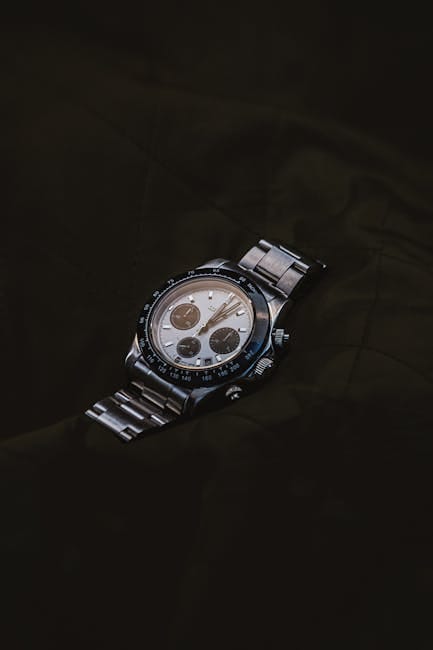
Rolex Explorer II 226570: The Understated Pro Watch Collectors Miss
The Explorer II is the most underappreciated professional Rolex in 2026. At $9,650 retail, you can actually buy one — and here's why you should.
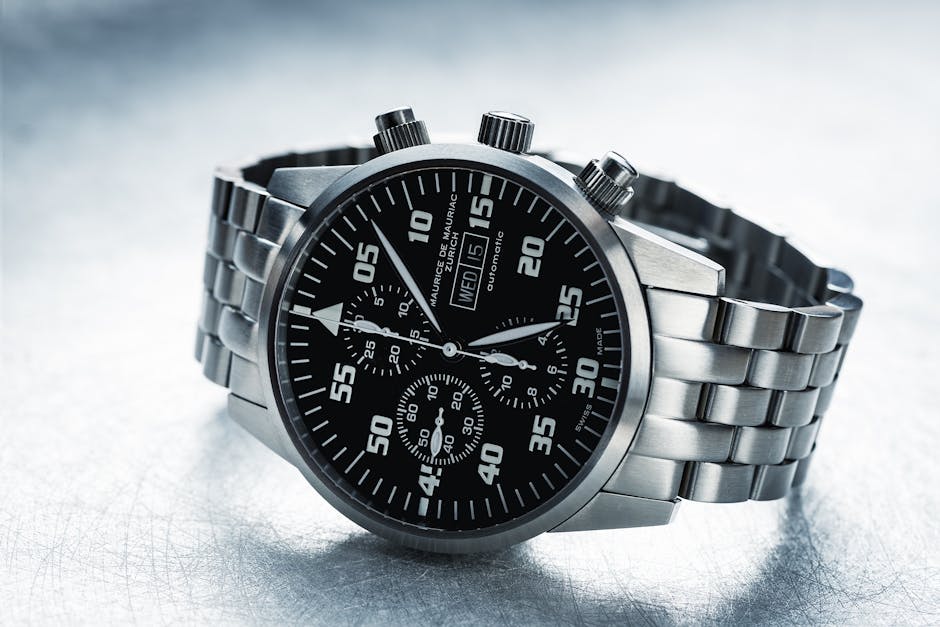
The Rolex Explorer II reference 226570 retails for $9,650 in April 2026. On authorized dealer floors across the US, you can often find one in stock or available for immediate purchase. The grey market premium, when it exists, runs 10-20% over retail — a fraction of what Submariners and GMT-Master IIs command. This availability and pricing discipline makes the Explorer II the most practical way to acquire a professional Rolex at retail in 2026, and almost nobody talks about it.
There's a reason the reference gets overlooked. The Explorer II doesn't have the cultural recognition of the Submariner, doesn't have the Pepsi bezel's visual impact, doesn't appear in movies, and doesn't generate the Instagram content that sustains demand for Rolex's hot references. What it has is a specific functional purpose — second time zone tracking via a fixed 24-hour bezel — and an aesthetic that reads as tool-watch honest rather than luxury-positioned. For the collector who wants a serious Rolex to actually wear and use, the Explorer II is arguably the correct choice.
What Makes the 226570 Specific
The current-production Explorer II is the reference 226570, introduced in 2021 to replace the 216570. Key changes from the previous reference: the new calibre 3285 movement replaces the 3187, the case proportions were subtly refined (though the 42mm diameter remained), and the dial received modern Chromalight lume treatment throughout. These are evolutionary rather than revolutionary changes, but they update the Explorer II to current Rolex standards.
Calibre 3285 features: 70-hour power reserve (up from 48 on the 3187), Chronergy escapement, Superlative Chronometer certification at -2/+2 seconds per day, GMT functionality through independent 24-hour hand. The movement is shared with the current GMT-Master II — same architecture, same performance specifications, same regulatory standards. From a mechanical standpoint, you're getting the exact same Rolex GMT movement as the Pepsi, just in a different case with a different bezel configuration.
- Case 42mm × 12.4mm, Oystersteel (904L)
- Calibre 3285 GMT with 70-hour power reserve
- Fixed 24-hour bezel (non-rotating, unlike GMT-Master II)
- Available in black (Polar) or white (Classic) dial variants
The 42mm case is larger than most current Rolex references. It's bigger than the Submariner (41mm), bigger than the GMT-Master II (40mm), and specifically designed for tool-watch presence. On a 7.25-inch wrist, the Explorer II wears as a proper professional sports watch should — substantial without being oversized. Wrists below 7 inches may find it slightly large; wrists above 7.5 inches find it perfectly proportioned.
The Polar vs Classic Dial Decision
The Explorer II comes in two dial configurations: the white "Polar" dial and the black "Classic" dial. This is the defining decision when buying an Explorer II, and it's a more meaningful choice than most Rolex dial decisions because the two variants look substantially different from each other.
The Polar dial is matte white with black applied indices and black hour and minute hands. The orange 24-hour GMT hand creates a specific color contrast that reads as functional and tool-oriented rather than decorative. The white dial photographs and wears differently from almost any other current Rolex — it reads cleaner, more modern, more distinctive. Most buyers who choose the Polar variant specifically want the white dial aesthetic and wouldn't consider the black alternative.
The Classic dial is black with white indices and luminous hands, with the orange 24-hour hand standing out more dramatically against the dark background. This variant reads more conservative and more like a traditional sports Rolex. It photographs similarly to other black-dial references but retains the Explorer II's specific character through the bezel configuration and 24-hour hand.
For a buyer who already owns a black-dial Submariner or Sea-Dweller, the Polar variant makes more sense — you're differentiating rather than duplicating the black-dial sports Rolex aesthetic. For a buyer whose first serious watch this is, the Classic black dial is more versatile across contexts and more conservative to commit to. Both variants hold value well on the secondary market.
The Fixed 24-Hour Bezel
The Explorer II's bezel is fixed — unlike the GMT-Master II's rotating bezel, the Explorer's numerals remain in place relative to the case. This sounds like a limitation, but for the specific use case the Explorer II was designed for (spelunking and polar expeditions where day-night differentiation matters for orientation), the fixed bezel is correct. You read the 24-hour hand against the fixed bezel to determine whether the time displayed is AM or PM — useful in environments where natural light doesn't provide that information.
For modern practical use, the fixed bezel means you can track a second time zone (home time, for example) by reading the 24-hour hand against the fixed numbers, while the main hour hand shows current local time. You set local time with the crown at position 2, which moves only the local hour hand in one-hour increments — the exact mechanism that made the GMT-Master useful for pilots. The Explorer II does the same thing with the fixed bezel.
What you lose compared to the GMT-Master II: the ability to track three time zones simultaneously (local time, home via 24-hour hand vs bezel, third zone via rotating bezel). For most travelers, two time zones is sufficient. Pilots and frequent multi-zone travelers benefit from the GMT-Master's third zone capability. Most collectors don't actually need it.
Wearing Experience Reality
At 42mm × 12.4mm, the Explorer II wears slightly larger than the Submariner but similar to the Sea-Dweller. The case profile is brushed on lug tops and bezel, polished on lug flanks and chamfers. This finishing alternation gives the watch visual interest without the polished dominance of dress-adjacent Rolex references. On the wrist, it reads as a working watch that happens to be finished at Rolex standard rather than as a luxury watch positioned for casual wear.
Bracelet is the Oyster three-link, standard Rolex execution for sports references. The Easylink clasp extension gives 5mm of micro-adjustment range without link removal — useful for seasonal variation and daily adjustment. The bracelet drapes correctly and wears comfortably for full-day wear. No issues I've noticed across multiple owners.
Water resistance is 100m, which is functional but less than the Submariner's 300m. For a non-diving watch this is more than adequate — you can swim with it, shower with it, and handle rain without concern. The limitation matters only if you're actually diving, in which case the Submariner is the correct choice regardless.
Why Collectors Miss It
Three reasons. First: cultural recognition. The Explorer II doesn't appear in the movies and advertising that built the Submariner and GMT-Master IIs into cultural icons. When non-watch people see an Explorer II, they register "Rolex" but not the specific reference. This means the watch doesn't deliver status signaling efficiency that some buyers want from their first serious Rolex.
Second: design restraint. The Explorer II dial is visually quieter than the Pepsi's red-and-blue bezel or the Hulk Submariner's green dial. For buyers who want wrist presence and visual impact, the Explorer II underdelivers on those metrics. It's a watch for someone who values mechanical function and tool-watch restraint over visual statement.
Third: the 42mm size discourages buyers who've become accustomed to 40-41mm sports watch sizing. On paper, 42mm seems oversized in the current small-watch revival. In practice, the Explorer II wears correctly because the case geometry distributes the size without making it feel bulky. Try one before assuming it's too large.
The collective effect of these factors: the Explorer II remains available at retail, secondary market premiums are minimal, and the reference doesn't experience the allocation pressure that makes acquiring other sports Rolexes impractical. For a buyer who wants to walk into an AD, buy a serious Rolex at retail, and take it home same-day, the Explorer II is often the only option. That's underappreciated opportunity, not a flaw in the watch.
I own a Polar Explorer II. I bought it at retail without drama or relationship-building. I wear it roughly twice a week as my "professional tool" rotation piece. After two years of ownership, I would not trade it for a Submariner or GMT-Master II acquired through grey market premiums. The Explorer II delivers the core Rolex sports watch experience at accessible cost with full retail availability. That's a better deal than the more hyped references offer in 2026, and it will likely remain a better deal for the foreseeable future.