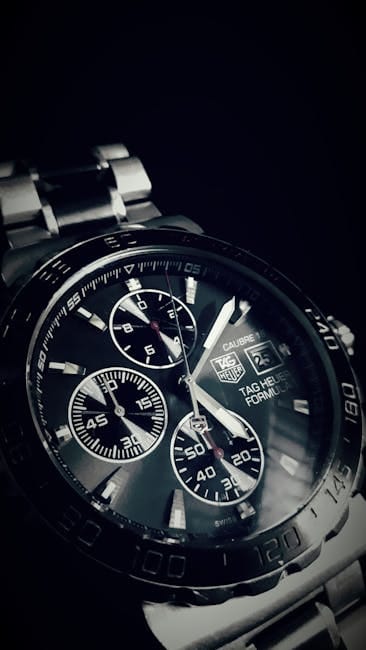
The Richard Mille RM 11-03 Automatic Flyback Chronograph retails at $205,000 through authorized channels. On the grey market in April 2026, the same watch trades at $145,000-$170,000. That's a 17-29% discount from retail — a pattern opposite to virtually every other luxury sport watch in the market, where supply-constrained demand pushes prices above retail rather than below. The RM 11-03's resale pricing tells you the real story about Richard Mille ownership in 2026, and understanding that story is essential before committing $200K+ to any Richard Mille purchase.
Richard Mille built its brand through specific aggressive marketing (F1 driver partnerships, celebrity endorsements, limited-edition collaborations), technical watchmaking (specific case material research, complex skeleton dial architecture, specific movement engineering in tourbillons and chronographs), and price positioning (aggressive retail pricing that positions the brand as ultra-luxury regardless of underlying mechanical value). These three factors together created a brand that dominates luxury watch visibility in specific markets while producing measurable collector skepticism in sophisticated watchmaking circles. The RM 11-03's secondary market behavior reflects this tension directly.
What the RM 11-03 Is
The RM 11-03 Automatic Flyback Chronograph is Richard Mille's "flagship sports watch" positioning — 49.94mm × 42.7mm × 16.15mm case, with tonneau-shaped geometry that Richard Mille references (nearly all Richard Mille watches are tonneau-shaped rather than round). The case is available in multiple material options: white gold, rose gold, titanium, various ceramic options, and carbon composite configurations specific to certain limited editions.
Movement: calibre RMAC3 automatic flyback chronograph. 50-hour power reserve, 28,800 bph, modular chronograph architecture with column wheel control, vertical clutch engagement. The movement is produced by Vaucher Manufacture Fleurier (a specific Swiss movement manufacturer that also produces movements for Parmigiani Fleurier and other brands) under Richard Mille's specifications.
The skeleton dial architecture is the defining visual element. Richard Mille designs the movement and dial as an integrated visual system where the movement architecture is the primary dial aesthetic — no dial obscuring the mechanical elements, with specific design emphasis on exposed bridges, chronograph mechanism, and rotor visibility. This integrated approach is distinctive and genuinely different from traditional watchmaking dial design.
- Case 49.94mm × 42.7mm × 16.15mm, tonneau-shape
- Calibre RMAC3 automatic flyback chronograph
- 50-hour power reserve
- Retail $205,000, secondary market $145-170K
Material innovation: Richard Mille invests substantially in case material research. The specific ceramic materials, carbon-composite architectures, and specific alloy formulations used across various RM references represent genuine materials science investment. Whether these innovations translate to meaningful ownership advantages over more traditional cases is a separate question; the investment in development is real regardless.
The Retail vs Secondary Market Story
Most luxury sport watches trade above retail on secondary markets. Rolex Submariner retails at $10,250, trades grey at $14-15K (40-50% premium). Patek Nautilus 5811 retails at $48K, trades grey at $110-135K (130-180% premium). Audemars Piguet Royal Oak 16202ST retails at $35,400, trades at $78-95K (120-165% premium). The pattern is supply-constrained demand driving secondary market premiums over retail.
Richard Mille's RM 11-03 operates in the opposite direction. Retail $205K, secondary market $145-170K. This inverted pattern reveals that Richard Mille's retail pricing isn't supported by secondary market demand — the brand's pricing strategy relies on successful primary market allocation rather than strong underlying resale demand.
Why this matters: if you pay $205K retail for an RM 11-03 and try to sell it 2 years later, you'll realize approximately $140K-165K on secondary market. That's $40-65K in depreciation over 2 years of ownership, plus insurance and potential service costs. The total 2-year ownership cost of an RM 11-03 is approximately $50-75K all-in for someone who ultimately decides to sell.
For comparison, the same capital deployed into a Patek Nautilus or AP Royal Oak at current grey market pricing would: maintain value (potentially appreciating) at $150-250K+ over the same 2-year holding period. The opportunity cost of Richard Mille ownership vs other luxury sport watches is substantial — typically $40-100K per 2-year holding period, depending on specific alternatives considered.
The Brand Positioning Question
Richard Mille's brand has specific cultural position different from traditional Swiss watchmaking. The brand is highly visible in specific contexts (F1 paddocks, luxury yacht clubs, specific celebrity environments) but less culturally established in traditional watch collecting communities. On mainstream watch forums, Richard Mille is frequently discussed as "not a serious watchmaking brand" by collectors focused on traditional Swiss horological heritage.
This cultural split is real but not straightforward. Richard Mille produces genuinely innovative watches with specific engineering achievements — the case material research is legitimate, the movement engineering (particularly on tourbillon references like RM 27 series) represents substantial technical capability, and the watches function reliably in specific extreme environments (RM tourbillons on golf courses and tennis courts, for example, demonstrate shock resistance that traditional tourbillons can't match).
However, the pricing/positioning disconnect is also real. At $205K retail, buyers are paying substantial premiums for brand positioning rather than purely for watchmaking quality. An equivalent movement and finishing tier from AP, Patek, or Vacheron would retail at $60-120K. The Richard Mille premium reflects brand marketing and materials science innovation more than pure horological value per dollar.
For collectors who genuinely value Richard Mille's specific aesthetic and brand positioning, the premium may be justified — ownership experience in specific social contexts provides benefits that more traditional watches can't deliver. For collectors focused on watchmaking per dollar or long-term appreciation, the economics favor different acquisitions.
When Richard Mille Ownership Makes Sense
Specific scenarios where Richard Mille ownership is genuinely appropriate. Scenario 1: you participate in specific elite contexts (F1, polo, yacht racing, specific celebrity environments) where Richard Mille is the culturally recognized luxury watch. In these contexts, ownership provides specific social signaling that other luxury brands don't match. If this matches your actual social context, the brand premium is rational.
Scenario 2: you specifically value the aesthetic and engineering approach that Richard Mille represents — exposed skeleton architecture, tonneau case geometry, advanced materials integration. If Richard Mille's specific design language resonates with your aesthetic preferences more strongly than traditional watchmaking, the brand premium is paying for something you genuinely value.
Scenario 3: you have established Richard Mille relationships through years of participation in their customer community, have acquired multiple RM references across time, and are building a specific Richard Mille-focused collection. The relationship-building aspect of Richard Mille ownership (access to limited editions, specific events, ongoing brand experience) provides benefits that casual buyers don't experience.
Scenario 4: you're at wealth level where Richard Mille pricing isn't meaningful. For collectors at net worth levels where $200K watches don't represent significant capital allocation, the depreciation and brand premium considerations don't apply at the same scale as they do for collectors deploying meaningful capital toward watches.
When Richard Mille Ownership Doesn't Make Sense
Scenario 1: you're deploying $200K toward a single watch as significant collection capital allocation and expect to either hold long-term or trade in 3-5 years. The depreciation pattern means Richard Mille is likely to underperform other comparable watch choices for this use case. Other options (Patek Nautilus acquired at AD, AP Royal Oak acquired at AD, Vacheron 222 if accessible) offer better expected outcomes.
Scenario 2: you want a watch with broad cultural recognition across luxury contexts. Richard Mille recognition is strong in specific subcultures but weaker than Rolex, Patek, or AP in general professional and business contexts. A Nautilus or Royal Oak delivers broader recognition at lower price.
Scenario 3: you're building a collection focused on horological quality per dollar. Richard Mille's pricing isn't aligned with watchmaking per dollar value — the engineering is real but the premium is substantial. Other options (independent watchmakers like F.P. Journe, Laurent Ferrier, MB&F, or established manufacture references like Lange Datograph, Patek 5170 chronograph) offer better horology per dollar.
Scenario 4: you plan to wear the watch in contexts where its size and visual intensity might not work. Richard Mille watches are specifically oversized and visually bold. In traditional business formal, conservative corporate environments, or specific formal dress occasions, Richard Mille can read as too specific for the context. Other watch categories fill these contexts better.
Acquisition Considerations
If you've decided Richard Mille ownership aligns with your specific context and preferences, acquisition has specific considerations. Authorized Richard Mille boutiques are limited in number (approximately 40 globally) and maintain specific allocation processes. Building relationships with boutique teams takes 1-3 years typically before receiving allocation on desirable references. New customers may wait longer than established Richard Mille collectors for specific configurations.
Secondary market acquisition is legitimate path given the discount pricing relative to retail. Reputable sources for Richard Mille secondary market: WatchBox, specific authorized dealers who accept trade-ins, Phillips and Sotheby's auctions (occasional Richard Mille lots), and established Richard Mille-focused dealers. Authentication requires specific expertise — Richard Mille authentication protocols are well-defined but require specialist attention.
Whether to acquire at retail vs secondary market depends on specific factors. Retail acquisition provides full warranty, manufacture service relationship, and specific customer experience (invitations to events, access to limited editions). Secondary market acquisition saves 15-30% but loses some of these relationship benefits. For collectors who value the manufacture relationship, retail makes sense despite the premium. For collectors who value capital efficiency, secondary market is the clear choice.
The honest assessment: Richard Mille is a brand with genuine watchmaking innovation combined with aggressive pricing that reflects brand marketing as much as horological value. The RM 11-03 specifically is a competent sports chronograph with distinctive design. Whether its $205K retail (or $145-170K secondary market) is worth it depends entirely on specific buyer context and preferences. For the right buyer in the right context, Richard Mille delivers specific ownership benefits that align with its pricing. For buyers outside that specific context, other luxury watch choices deliver better overall ownership value. The resale pattern tells you which category most buyers fall into — and it's the latter. Don't buy Richard Mille unless you specifically match the former.