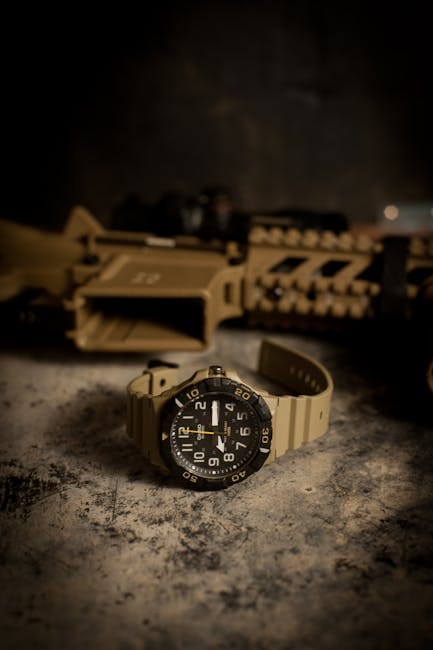
Panerai occupies a specific and divisive position in luxury watchmaking. The brand has genuine history — producing watches for Italian Navy frogmen from the 1930s through the 1990s, with specific technical innovations including the distinctive crown-guard mechanism and the luminous dial materials that became Panerai trademarks. The brand has specific collector appeal — dedicated "Paneristi" communities with decades of cultural continuity, specific pieces that command collector premiums, and established secondary market dynamics. But Panerai also faces mainstream luxury watch criticism — oversized cases considered problematic in the current small-watch preference environment, Italian-Swiss brand positioning that some collectors find contrived, and movements that often use ETA-derived base calibres modified rather than purely in-house architectures.
For 2026 buyers evaluating Panerai acquisition, the specific reference worth understanding is the Luminor 1950. This 3-day power reserve manual-wind reference uses Panerai's in-house P.3000 calibre and represents what Panerai watchmaking does best — bold Italian military aesthetic combined with substantial mechanical watchmaking. Other Panerai references (Radiomir, specific Luminor variants with automatic movements, modern complications) have their place, but the Luminor 1950 is the specific Panerai that collectors tend to keep longest. Understanding why requires examining what the watch actually delivers beyond the cultural positioning.
The Luminor 1950 Design
The Luminor 1950 case is 47mm × 15.5mm, stainless steel with specific finishing that alternates brushed and polished surfaces in Panerai's distinctive case architecture. The defining visual elements: cushion-shaped case with integrated crown-guard device at 3 o'clock (the Panerai signature), large exposed lug geometry that extends the overall case dimension beyond the 47mm face measurement, and specific dial typography that echoes 1950s Italian military watch aesthetic.
The crown-guard device is genuinely functional history. Panerai developed the mechanism for Italian Navy diving operations where crown protection during extreme conditions was essential. The modern crown-guard is the design descendant of this functional requirement, serving as visual brand identity and providing some practical crown protection during regular wear. Whether the crown-guard adds meaningful functional value on a wrist watch for non-military use is debatable; as design element, it's unmistakably Panerai.
Dial design uses specific large hour markers with integrated luminous application, large Arabic numerals at 12 o'clock and 6 o'clock positions, and minimalist hand design. The dial reads with high legibility at any angle — specifically because Panerai's design was originally intended for legibility in low-light diving conditions. The modern civilian watch retains this legibility, which reads as either positive design feature or excessive simplification depending on collector preference.
- Case 47mm × 15.5mm, stainless steel
- Calibre P.3000 manual-wind, 3-day power reserve
- Panerai signature crown-guard mechanism
- Distinctive Italian military dial typography
Material options beyond standard stainless steel: brushed titanium, DLC-coated stainless steel, 18k rose gold, 18k yellow gold, and specific ceramic variants. Each material offers different wearing characteristics and price points. Stainless steel is the foundation — appropriate for most collectors and represents the best value proposition. Gold variants are substantially more expensive and shift the watch toward formal dress positioning that contradicts Panerai's military tool origins.
The Calibre P.3000 Movement
Panerai's calibre P.3000 is one of the brand's in-house movements, manufactured at Panerai's Neuchâtel facility. This is specifically not an ETA-based or Sellita-based calibre — it's an original Panerai architecture developed with specific attention to the brand's design requirements. The movement: 21,600 bph, 3-day (72-hour) power reserve, 22 jewels, bridge architecture designed for specific Panerai visual presentation.
The 3-day power reserve is specifically engineered into the P.3000 and represents a legitimate engineering achievement. Most manual-wind movements at this price tier operate on 40-50 hour reserves from standard barrel architectures. Panerai's P.3000 uses twin barrels connected in series to deliver 72-hour reserve while maintaining consistent torque delivery throughout the reserve period. This engineering is specific and genuine.
Finishing on the P.3000 is competent but not haute horlogerie level. The movement shows functional finishing (Geneva stripes on bridges, perlage on main plate, blued screws) but lacks the extensive hand-finishing that defines high-end Swiss watchmaking. Compared to Patek Philippe, Vacheron Constantin, or Lange calibres at comparable price points, the P.3000 is meaningfully less refined in finishing execution.
This finishing gap is appropriate for Panerai's specific positioning — the brand isn't positioned as haute horlogerie, and the customer base generally values the overall watch aesthetic and brand identity more than movement finishing specifically. Whether this positioning works for your specific preferences depends on how much you weight movement finishing in watch evaluation.
The Sizing Challenge
Panerai's 47mm case size is the defining characteristic that makes the brand work for some collectors and fail for others. Modern luxury watch preferences trend toward 38-42mm cases, and 47mm reads as oversized by current standards. Whether 47mm is appropriate for you depends entirely on wrist size and aesthetic preference.
For wrist sizes 7.5 inches and above: the Luminor 1950 at 47mm is proportionally correct. The case fits naturally on the wrist without looking disproportionate. The watch delivers the intended Italian military bold aesthetic. At 8+ inch wrists, the watch is ideal sizing.
For wrist sizes 7-7.25 inches: the Luminor 1950 at 47mm is visible statement sizing. Works for buyers specifically wanting bold wrist presence, doesn't work for buyers preferring subtle watch sizing. Try before purchasing — the fit is right at the edge of what works.
For wrist sizes under 7 inches: the Luminor 1950 at 47mm is visually oversized in ways most observers will recognize. Panerai offers smaller case options (40mm Radiomir references, specific 42-44mm Luminor variants) that work better for smaller wrists. Don't buy a 47mm Luminor 1950 hoping it will fit smaller wrists — it won't, regardless of personal preference.
The 47mm sizing also affects dress-context appropriateness. Under business formal shirts, the 47mm case can read awkward — too large for formal contexts, too visually active for conservative business dress. The Luminor 1950 is specifically a casual-to-business-casual watch, not a formal dress piece. Knowing this before purchase prevents unused-watch regret.
The Paneristi Collector Community
Panerai has a specific dedicated collector community — "Paneristi" — that has been culturally active since the early 2000s. This community operates through specific forums (Paneristi.com being the central hub), regional collector gatherings, and specific brand-sanctioned events. The community is genuinely engaged with Panerai history, watchmaking details, and specific reference variations.
For buyers entering Panerai ownership, the Paneristi community provides substantial value. Long-time collectors share detailed reference information, authentication guidance, and specific ownership experiences. Access to this community (free through Paneristi.com forum) provides better buying advice than generic watch forums offer for Panerai-specific questions.
The community also creates specific collector dynamics around limited editions and vintage Panerai references. The Panerai Historic Collection (vintage references from the Italian Navy production era, generally 1930s-1970s pieces that predate mainstream Panerai commercial production) represents a specific collecting category with substantial value and authentication complexity. The vintage Panerai market is specialized and requires specific expertise to navigate properly.
For modern production Panerai references, the community dynamics are less intense than vintage collecting but still provide useful context. Specific references (certain limited editions, specific case material variants, specific dial configurations) have community-recognized collector status that affects secondary market pricing. Understanding which specific references have collector premium matters when evaluating purchase priorities.
Acquisition and Pricing
Current Panerai Luminor 1950 retail pricing varies by specific reference: PAM00372 (steel case, classic configuration) at approximately $10,800 retail. PAM01524 (steel with newer dial and movement configuration) at approximately $11,500. Titanium variants approximately $12,500-14,000. Gold variants start approximately $32,000. Specific limited editions vary substantially.
Authorized dealers (Panerai boutiques and multi-brand luxury watch dealers carrying Panerai) typically have Luminor 1950 references available for purchase within 3-9 months of inquiry. Waitlists are minimal compared to supply-constrained brands like Rolex and Patek. This accessibility is a specific advantage — you can actually complete Panerai purchases rather than waiting years.
Secondary market pricing: typical Luminor 1950 reference examples trade at $7,500-$11,000 for standard pre-owned pieces (approximately 20-30% below retail depending on condition). Specific limited editions trade at various premiums. Authentication through reputable dealers or specialists is straightforward for modern production references.
The secondary market depreciation of 20-30% within 2-5 years of purchase is typical Panerai ownership pattern. This is meaningfully worse than Rolex or Patek depreciation but better than Richard Mille's patterns. For buyers planning to hold watches long-term (10+ years), depreciation matters less. For buyers planning to rotate watches every 3-5 years, Panerai represents meaningful cost of ownership.
When Panerai Works
Panerai specifically works for buyers who match specific profiles. Buyers with 7.5+ inch wrists who can wear 47mm cases proportionally. Buyers who value Italian-Swiss design aesthetic specifically over traditional Swiss watchmaking. Buyers who engage with the Paneristi collector community and derive ownership value from that cultural context. Buyers who primarily wear watches in business-casual and casual contexts rather than formal settings. Buyers who appreciate the tool watch aesthetic combined with luxury pricing.
Panerai doesn't work for buyers who need 38-42mm case sizing for wrist proportion, need formal dress watch functionality, prioritize movement finishing quality per dollar, value maximum resale liquidity, or haven't specifically engaged with Italian design aesthetic as preference.
For buyers in the first category, Panerai delivers specifically what it promises — distinctive Italian luxury tool watches with solid watchmaking, engaged collector community, and established brand history. The Luminor 1950 is the specific reference where these attributes are most clearly expressed, and it represents the foundation entry to serious Panerai ownership.
For buyers in the second category, Panerai is the wrong brand regardless of specific reference choice. Consider Rolex sports watches (for traditional luxury tool watches), IWC Pilot references (for military watch aesthetic at smaller cases), Bell & Ross (for bold design at smaller cases), or Breitling (for aviation-inspired tool watches). Each of these alternatives delivers specific benefits that Panerai doesn't match for buyers outside the specific Panerai target audience.
The honest assessment: Panerai is a legitimate brand with genuine history, specific collector appeal, and competent watchmaking at its price tier. The Luminor 1950 specifically is the best Panerai reference for buyers evaluating the brand seriously. Whether it's the right watch for you depends entirely on matching the specific Panerai customer profile. Being honest about that match prevents both Panerai purchases that don't fit and missed opportunities to join what is, for the right buyer, a genuinely engaging watch collecting community.